

 Posts
Posts


Saturday, 29 June 2013
SIO Tips no. 47: Stale Bread


Tuesday, 18 June 2013
SIO Tips no. 46: Easy draw scents

Saturday, 8 June 2013
Olives; at home
I wanted to show you how we do it - so you know what goes into the bottles you find on the shelves of the supermarket, albeit on a much larger scale.
Drop them into a reseal-able container as you go and cover with cold water; drain, rinse and re-cover with clean water every day, or two, for two weeks.

Once you've done the rinse and repeat cycle for two weeks your olives should have released all the bitter oils they store and will now feel a little less hard. Don't squish them too much; it's nicer to have firm fleshy olives when you're eating them than bruised ones.
Prepare to bottle by peeling and chopping a clove of Garlic or two per bottle and ripping Lemon/Lime leaves into quarters. You will want half a leaf per jar.
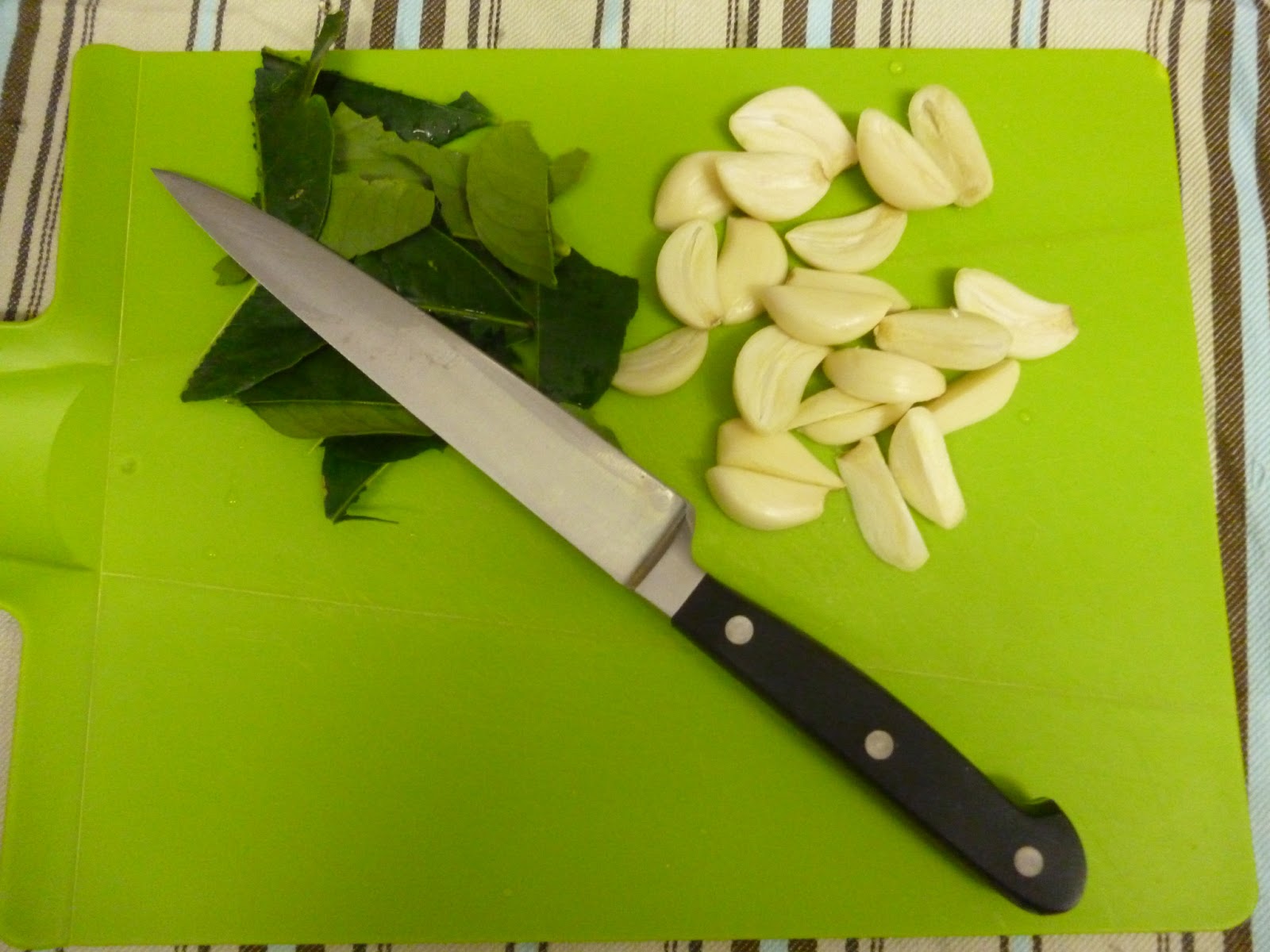
Set yourself up in a nice work area with olive oil (sunflower or seed oils work fine too), White vinegar (not spirit vinegar, it's too harsh on the final flavour), 1 tsp Mixed Herbs per jar, Sea salt, Garlic, Lemon/Lime leaves, hot water in a jug and your clean recycled jars.

Now you can start bottling. I tend to half fill each jar then add the garlic, lemon leaves and 1 tsp herbs in each jar then top up with more olives. When the jar is full add 1/4 cup of vinegar and 1/4 cup of oil to each jar (for a roughly 300ml jar) then fill to cover the olives with your brine.

The olives are ready to eat after about 3 months. I try to give the olives a gentle shake every now and then to make sure the flavours are all mixed nicely.
They make a great gift to take along to dinner parties. But be warned, they disappear quickly when opened.
Spice them up with fresh or dried chillies or get creative with other flavours.
They make a great gift to take along to dinner parties. But be warned, they disappear quickly when opened.
Spice them up with fresh or dried chillies or get creative with other flavours.

ENJOY!
From wintery Cape Town
Wednesday, 29 May 2013
SIO Tips no. 45: Juicing Oranges, Lemons and Limes
Monday, 13 May 2013
Home-made Pasta, Easy as you like!
Seek It Out have kindly invited me to share more of my favourite recipes with you all so here I am again, writing from the Western Cape of South Africa with my latest craze: Home-made pasta.
My other half kindly bought me a pasta machine for Christmas last year, something I've wanted to try out for the longest time.
I spent some time looking up recipes and how to make but was totally put off by the time and difficulty in making the dough by hand. It wasn't until a good friend suggested that I use a food processor to mix the dough, that I really saw the potential fun in making my own because, lets face it... spending ages kneading dough wears down your enthusiasm a bit!
So here's my quick fix pasta dough recipe: (Makes enough for 2 but very easy to double up)
 1 Cup Plain Flour
1 Egg
1/2 tsp Salt
Black pepper
A dash of Olive Oil
and don't forget your apron!!
 Put everything into your food processor and whizz up until it's thoroughly combined.
 Turn out onto a floured board and knead until you have a smooth dough, this shouldn't take long. The dough should be soft and pliable but not sticky. Just flour your hands and keep kneading until the texture is good.
Then you can run the dough int a few batches through your pasta machine if you have one, or alternatively roll out by hand. Either way is fine but do make sure you make nice thin sheets because the pasta does puff up on cooking.
 I like to use a cookie cutter to make rounds which I fill with whatever happens to be in the fridge. You can really get creative here - I like to use leftover roasted sweet potato and butternut which I blend or mash and season. If you don't have a pasta machine, it is difficult and time consuming to make spaghetti but this ravioli is really special and is really quite easy.
 You can also freeze any spare ravioli on a tray then once they are solid you can turn them out into a tupperware ready to pop into boiling water for five minutes next time you need a quick meal.
I recommend making a smallish batch the first time you try so you're not daunted by making masses of pasta.

Try it out for yourself before making for a whole dinner party!
Enjoy playing with this wonderfully creative meal - top with pesto, avocado, olives, home-made sauce or whatever you can dream up!
My other half kindly bought me a pasta machine for Christmas last year, something I've wanted to try out for the longest time.
I spent some time looking up recipes and how to make but was totally put off by the time and difficulty in making the dough by hand. It wasn't until a good friend suggested that I use a food processor to mix the dough, that I really saw the potential fun in making my own because, lets face it... spending ages kneading dough wears down your enthusiasm a bit!
So here's my quick fix pasta dough recipe: (Makes enough for 2 but very easy to double up)
 1 Cup Plain Flour
1 Egg
1/2 tsp Salt
Black pepper
A dash of Olive Oil
and don't forget your apron!!

 Turn out onto a floured board and knead until you have a smooth dough, this shouldn't take long. The dough should be soft and pliable but not sticky. Just flour your hands and keep kneading until the texture is good.
Then you can run the dough int a few batches through your pasta machine if you have one, or alternatively roll out by hand. Either way is fine but do make sure you make nice thin sheets because the pasta does puff up on cooking.

 You can also freeze any spare ravioli on a tray then once they are solid you can turn them out into a tupperware ready to pop into boiling water for five minutes next time you need a quick meal.
I recommend making a smallish batch the first time you try so you're not daunted by making masses of pasta.

Try it out for yourself before making for a whole dinner party!
Enjoy playing with this wonderfully creative meal - top with pesto, avocado, olives, home-made sauce or whatever you can dream up!
Tuesday, 30 April 2013
SIO Tips no. 44: Sewing Machine Tips 3.

SEEKITOUT: Changing the world a stitch at a time.
Wednesday, 24 April 2013
SIO Tips no. 43: Sewing Machine Tips 2.

SEEKITOUT: Changing the world a stitch at a time.
Wednesday, 17 April 2013
SIO Tips no. 42: Sewing Machine Tips 1.

SEEKITOUT: Changing the world a stitch at a time.
Wednesday, 10 April 2013
Tricks for later
 Seasons pass so fast and often we want to create something for a special occasion but we have nothing to go on. So why not start a seasons photo library.
 Every couple of weeks simply take a snap or two of things like a newly opened flower or snowy view, things that are special to that time of year.
Download the photo's on to the computer give each a meaningful name starting with the date so you can sort should you wish. Then when in the snowy depths of winter you decide you want to make something to give later in the year, you can seasonalise it by referring to your photo record.
You could even make your own wonderful cards from your pictures.
Easy to do, takes very little time and will hold 1000 memories.
Tuesday, 2 April 2013
SIO Tips no. 41

A damp lint free cloth, dipped in baking soda. Rub to get off. Like always check your surface for fastness first. Try in a hidden spot.
Wednesday, 27 March 2013
Best In Show - Part Two
Hi
Janie here again with another guest blog - thanks SIO for letting me
revisit you. Business advice from someone who knows. 35 years of
helping and running businesses means I've seen most mistakes and learnt so
much.
 Tips 6-10
They say first impressions count and they do, but also the last memory can be the one that sticks.
How many times have you been served in a shop or at a fair by someone who made you feel you were a burden to them, waited an internity while being ignored or listening to staffs idle gossip, or left feeling as though they were rushing you out?
Simple rules go a long way when serving a customer, be it business to business or business to consumer.
6. Unless a vital emergency never chat to a colleague while leaving a customer waiting.
7. If you use a queue system ensure it is plain and the ticket machine is placed in the most logical situation. Understand that sometime folks will not get the system, encourage them to get in line but do not make them feel embarrassed.
8. What view does your client get when coming into your shop? is it welcoming? is the entrance obvious? the direction they should take and where do they queue? A few polite notices go a very long way to making consumers feel happy.
9. When out in your normal daily life evaluate buying situations which make you feel uncomfortable, unwanted or under valued. What was it that made you feel that way, capture the thought and keep it, ensure your business does not replicate that issue.
10. Always ensure you say thank you and good bye even if you're already on to the next customer, the last impression is as important as the first.
 Common sense is all it takes, when did you last look at your business through your clients eyes, it might be worth doing.
SEEK IT OUT: Changing the world a stitch at a time
© babimu - Fotolia.com
 Tips 6-10
They say first impressions count and they do, but also the last memory can be the one that sticks.
How many times have you been served in a shop or at a fair by someone who made you feel you were a burden to them, waited an internity while being ignored or listening to staffs idle gossip, or left feeling as though they were rushing you out?
Simple rules go a long way when serving a customer, be it business to business or business to consumer.
6. Unless a vital emergency never chat to a colleague while leaving a customer waiting.
7. If you use a queue system ensure it is plain and the ticket machine is placed in the most logical situation. Understand that sometime folks will not get the system, encourage them to get in line but do not make them feel embarrassed.
8. What view does your client get when coming into your shop? is it welcoming? is the entrance obvious? the direction they should take and where do they queue? A few polite notices go a very long way to making consumers feel happy.
9. When out in your normal daily life evaluate buying situations which make you feel uncomfortable, unwanted or under valued. What was it that made you feel that way, capture the thought and keep it, ensure your business does not replicate that issue.
10. Always ensure you say thank you and good bye even if you're already on to the next customer, the last impression is as important as the first.
SEEK IT OUT: Changing the world a stitch at a time
© babimu - Fotolia.com
Friday, 22 March 2013
SIO Tips no. 40

SEEKITOUT: Changing the world a stitch at a time.
Tuesday, 19 March 2013
Best in Show - Part One
Hi Janie here again with another guest blog - thanks SIO for letting me revisit you. Business advice from someone who knows. 35 years of helping and running businesses means I've seen most mistakes and learnt so much.
Tips 1 - 5
They say first impressions count and they do, but also the last memory can be the one that sticks.
How many times have you been served in a shop or at a fair by someone who made you feel you were a burden to them, waited an eternity while being ignored or listening to staffs idle gossip, or left feeling as though they were rushing you out?
Simple rules go a long way when serving a customer, be it business to business or business to consumer.
1. If busy make eye contact with the waiting client within 30 seconds or less. Note the order of the waiting clients to ensure you serve in turn.
2. Listen to what your are being asked, do not assume.
3. Manage expectations, if you do not know when something is back in stock be honest, offer to take a phone number and call them on arrival of the stock or suggest a realistic alternative. Never suggest something totally different, it insults the person.
4. Smile, it is free and makes people feel welcome and valued.
5. Manners, try saying please and thank you!
Common sense is all it takes, when did you last look at your business through your clients eyes, it might be worth doing.
SEEK IT OUT: Changing the world a stitch at a time
© babimu - Fotolia.com
Tips 1 - 5They say first impressions count and they do, but also the last memory can be the one that sticks.
How many times have you been served in a shop or at a fair by someone who made you feel you were a burden to them, waited an eternity while being ignored or listening to staffs idle gossip, or left feeling as though they were rushing you out?
Simple rules go a long way when serving a customer, be it business to business or business to consumer.
1. If busy make eye contact with the waiting client within 30 seconds or less. Note the order of the waiting clients to ensure you serve in turn.
2. Listen to what your are being asked, do not assume.
3. Manage expectations, if you do not know when something is back in stock be honest, offer to take a phone number and call them on arrival of the stock or suggest a realistic alternative. Never suggest something totally different, it insults the person.
4. Smile, it is free and makes people feel welcome and valued.
5. Manners, try saying please and thank you!
Common sense is all it takes, when did you last look at your business through your clients eyes, it might be worth doing. SEEK IT OUT: Changing the world a stitch at a time
© babimu - Fotolia.com
Monday, 11 March 2013
SIO Tips no. 39
Candle Wax removal - Many table cloths or carpets have been subject to a spill of candle wax but what do you do.
1. Work out what the fabric that has the wax on is, important as you're going to use heat and sometimes that might not be possible or you can only use a very low heat.
2. Scrape off as much as you can with a blunt knife, taking care not to damage the fabric.
3. Now using blotting paper (preferably) but failing that thicker unpatterned kitchen paper lay this on the area and then use a warm/hot iron on the paper. This melts the wax and the wax will soak into the paper. Change the paper often and do not leave the heat on for any time. Take your time, too much heat may damage the fabric below.
This should remove most of the wax from the clothes or carpet. However if the item is of valuable or on a high profile spot, then a specialist cleaner should be found.
1. Work out what the fabric that has the wax on is, important as you're going to use heat and sometimes that might not be possible or you can only use a very low heat.2. Scrape off as much as you can with a blunt knife, taking care not to damage the fabric.
3. Now using blotting paper (preferably) but failing that thicker unpatterned kitchen paper lay this on the area and then use a warm/hot iron on the paper. This melts the wax and the wax will soak into the paper. Change the paper often and do not leave the heat on for any time. Take your time, too much heat may damage the fabric below.
This should remove most of the wax from the clothes or carpet. However if the item is of valuable or on a high profile spot, then a specialist cleaner should be found.
Tuesday, 5 March 2013
Spring now you see it, now you don't.

Little lambs do not fare well in the cold rain, they are tough but rain is an enemy so many will have to stay in doors or close to the farm where space allows.
Also this year there is a terrible disease hitting unborn lambs, and many will sadly be still born. Those out will have to try to keep warm, mum often making a soft warm bed as youngsters climb up and sit on her.
The higher the farm land the later the lambs, those in the mountains often waiting til April to lamb and better weather.
So, when you see a field of new born lambs be grateful, as this year it's not going to be a sight as common as normal.
Subscribe to:
Posts (Atom)
